The Circle of Influence in Horsemanship
It is human nature to get tangled up in things we cannot control. Other people’s opinions, their choices, their behavior—it is easy to let all of that drain our energy and steal the joy from our time with our horses. The longer I study horsemanship, the more I recognize that this same pattern shows up in the barn. We often try to control situations, outcomes, and even our horses themselves.
But control is an illusion. If a horse decides to take over, they can. Their size alone makes that clear. We cannot physically overpower a horse, and even when we try, the cost to the relationship is high. What we can develop is influence, and influence grows only inside a healthy, trusting partnership.
This idea sits at the center of what many call the Circle of Influence in horsemanship. It is the space where our actions, clarity, empathy, and consistency shape how our horses feel about working with us. Influence does not rely on force. It relies on connection.
Influence Begins With Caring About the Horse’s Experience
To expand our influence, we must first care about our horse’s experience just as much as our own. That sounds simple, yet for those of us who are motivated by progress and achievement, it can be surprisingly challenging. Goals are important—they provide direction and help us measure growth—but goals pursued without regard for the horse’s emotional, mental, and physical needs quickly turn into demands.
A horse may comply with demands, but compliance is not partnership. True partnership is voluntary. It requires the horse to want the same things we want, or at least to feel good about trying.
Vannah: A Real-World Lesson in Influence Over Control
The purpose has changed…
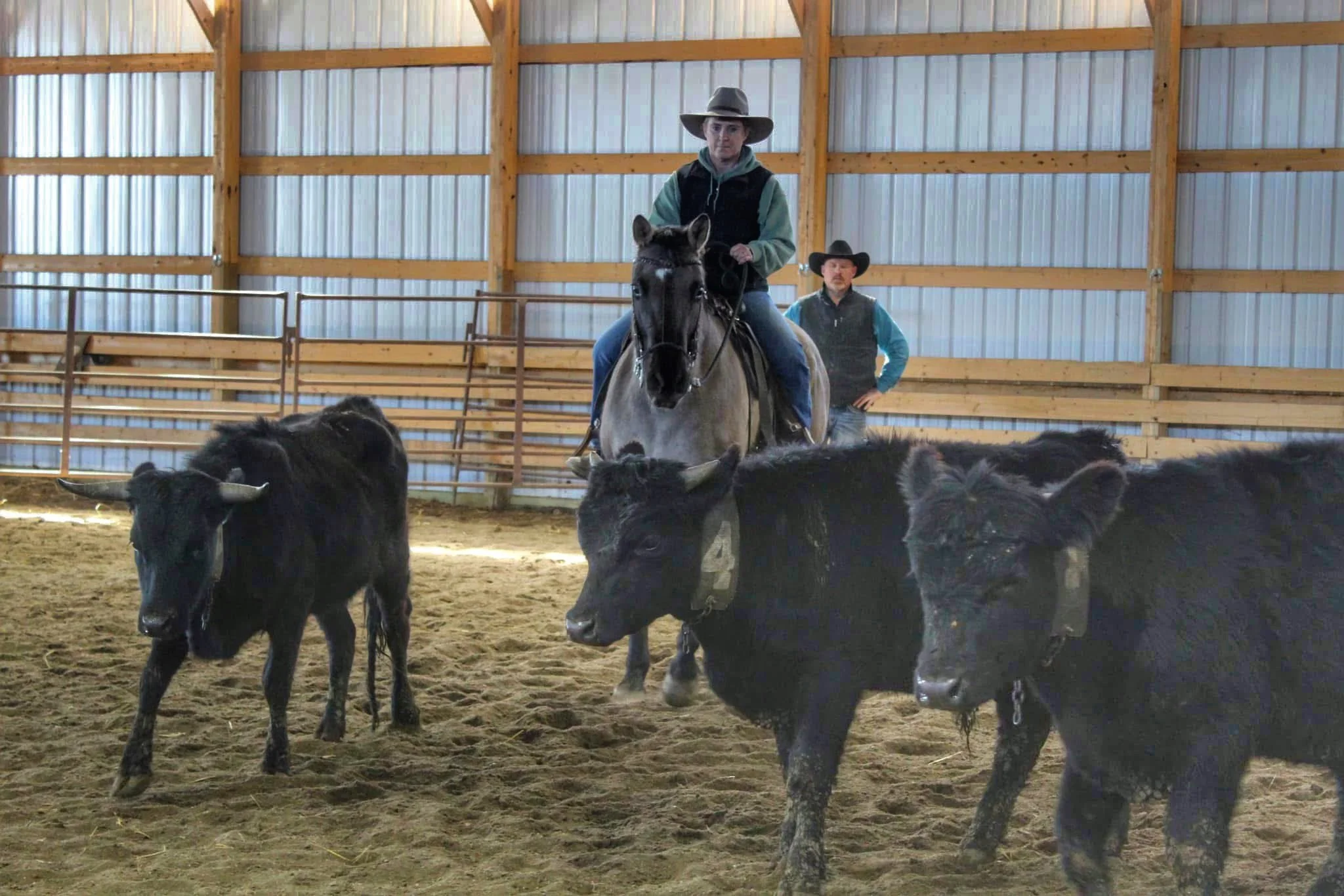
My mare Vannah teaches me this regularly. She is built like a ranch horse, the kind who could drag steers to the fire all day long without hesitation. Her body, her power, and her natural instincts make her well-suited for certain types of work.
I, however, have always been drawn to the beauty of classical dressage. And I still pursue that study with Vannah, but the purpose has changed. I am no longer trying to prove anything to myself or to anyone else. Classical dressage, for us, is about longevity, comfort, balance, and keeping her body healthy for the riding life I hope we share for many years.
Accepting her natural strengths and limitations softens something important in me. It keeps me honest. I cannot control what she was born to do, but I can influence how she feels about the work we explore together. When I honor her strengths and care about her comfort, she becomes far more willing to join me in my goals. Our influence grows because the relationship grows.
Influence Requires Relationship, and Relationship Requires Respect
This is the heart of the Circle of Influence:
I cannot force my horse into harmony. I can only invite her into it. And the invitation must feel good to her.
Influence increases when the horse feels safe.
Influence increases when the horse feels understood.
Influence increases when the horse experiences comfort in the choices we offer.
This is why leadership in horsemanship is not about domination. It is about becoming the kind of partner a horse wants to follow. It is about building trust, clarity, and emotional steadiness so the horse can rely on us, especially in moments when their instincts tell them otherwise.
The Big Picture: Why the Circle of Influence Matters
When we shift our focus from control to influence, everything changes. Our sessions feel softer. Our communication becomes clearer. Our horses respond with more confidence and curiosity.
And perhaps most importantly, the joy returns.
We stop trying to wrestle the world into our shape and start listening to the horse in front of us. That listening is what grows our influence, expands our partnership, and unlocks the kind of harmony that so many riders chase but rarely find.