
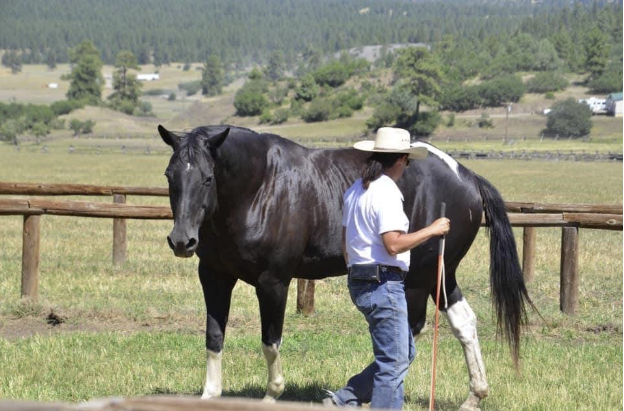
Body Language and Horses: Why How You Move Matters More Than What You Do
Horses are fluent in body language. Humans, less so. This mismatch is where most confusion, tension, and training plateaus begin.
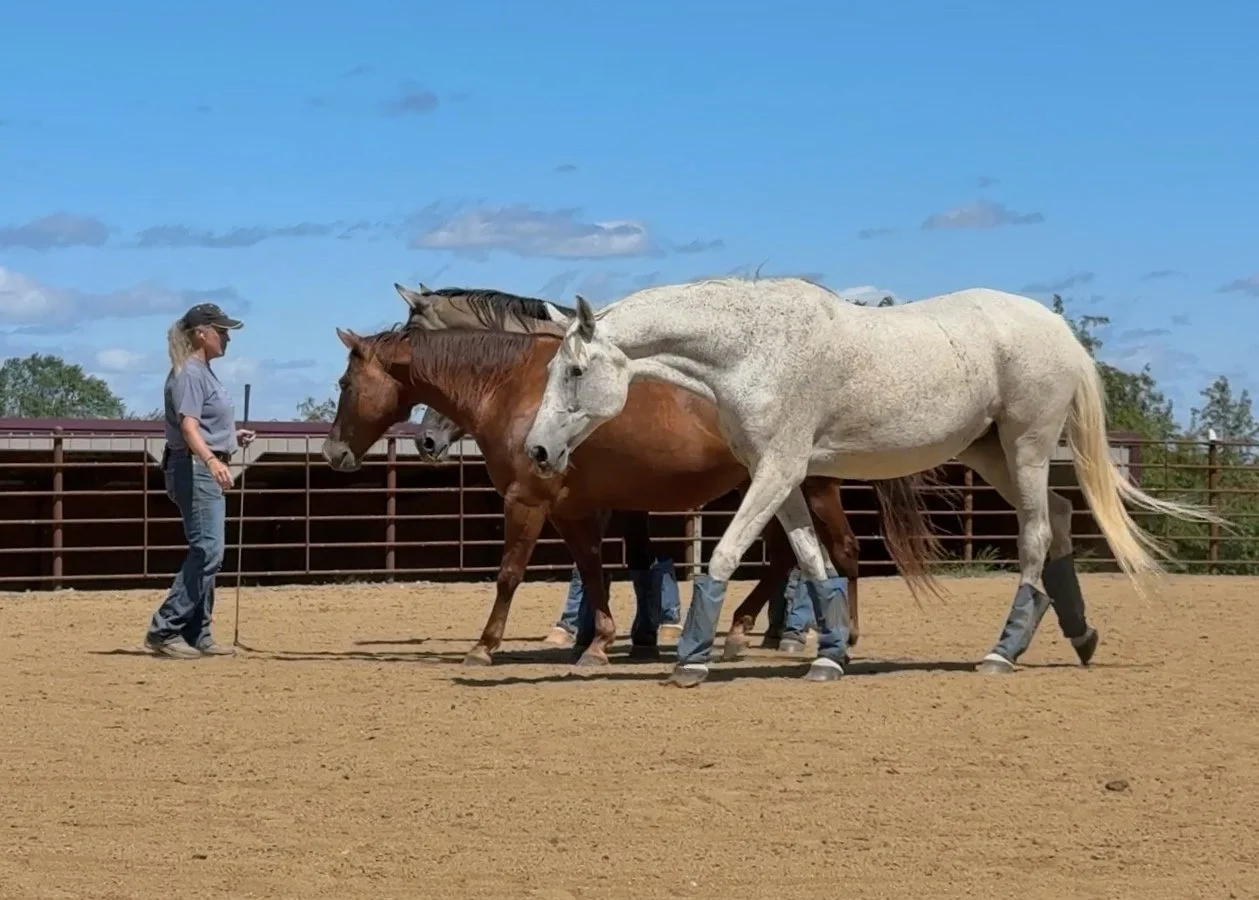
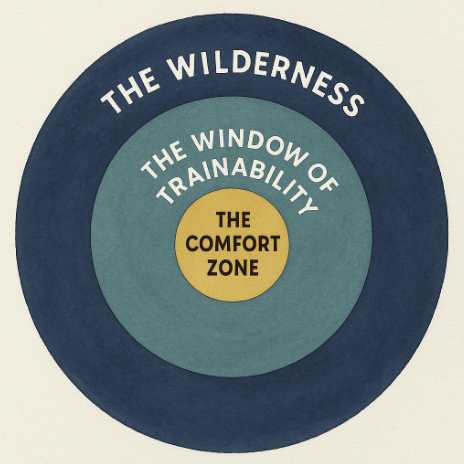
The Window of Trainability
Confidence, Habituation, and the Three Circles That Shape a Horse’s Learning
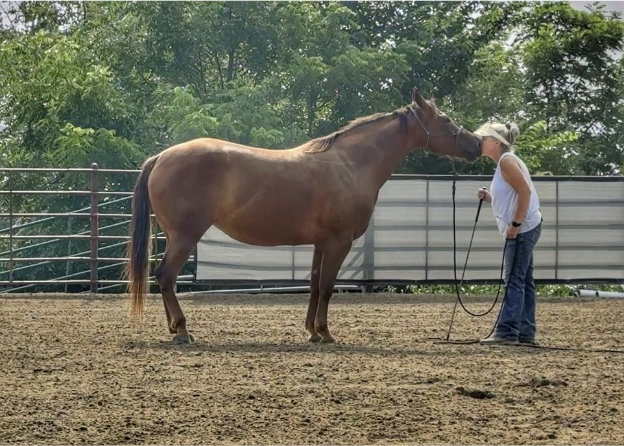
The Circle of Influence in Horsemanship
It is human nature to get tangled up in things we cannot control. Once we stop trying to wrestle the world into our shape and start listening to the horse in front of us, that listening grows our influence, expands our partnership, and unlocks the kind of harmony that so many riders chase but rarely find.
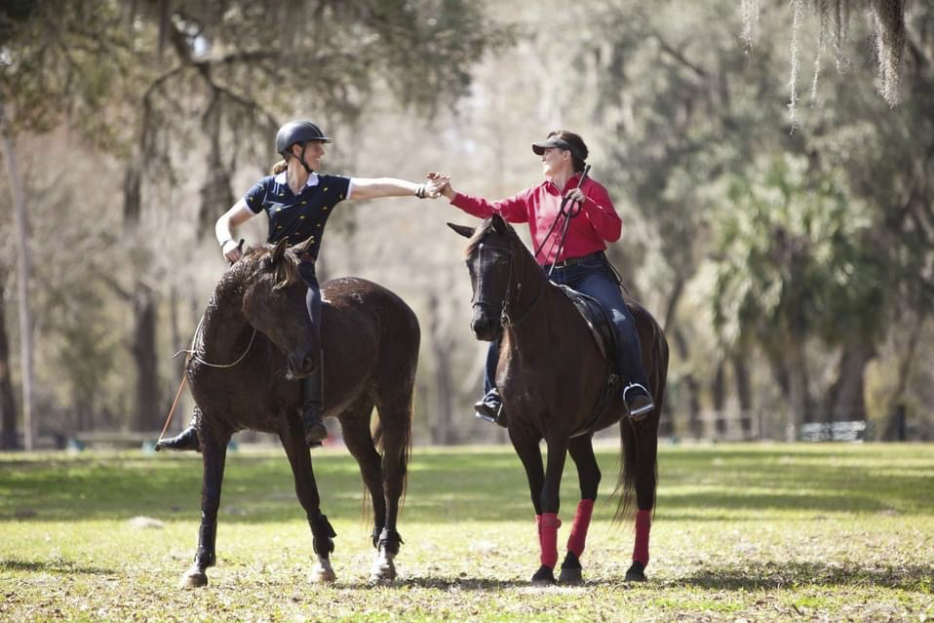
Embracing the Journey in Horsemanship: Why the Process Matters More Than the Outcome
In horsemanship, it’s easy to become fixated on outcomes. A quiet ride. A finished maneuver. A confident horse. While goals have their place, real and lasting progress comes from something deeper: embracing the journey itself.
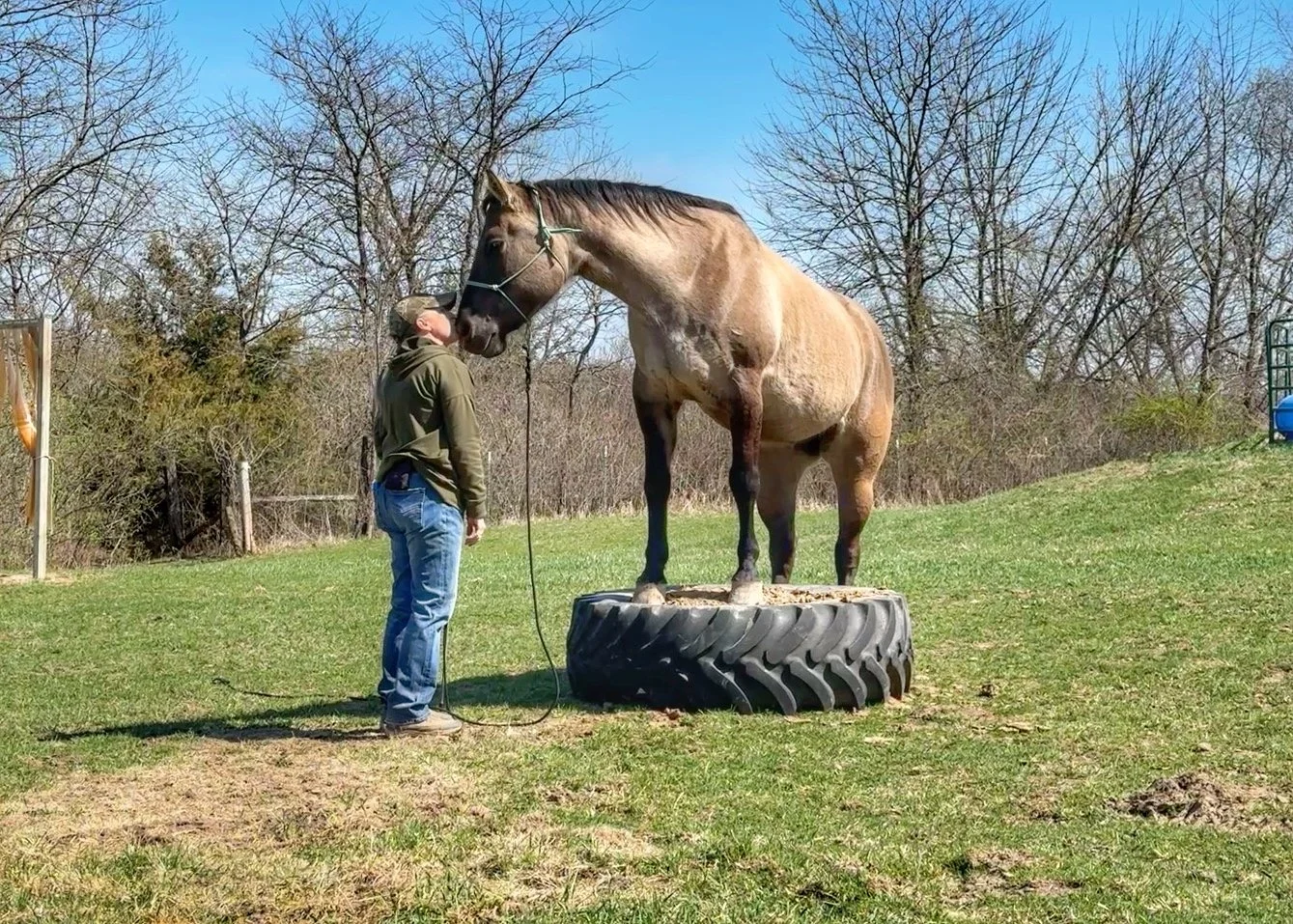
Setting Goals, Overcoming Challenges, and Rethinking Timelines in Horsemanship Training
In autotelic horsemanship, the work itself is the point. Riding, groundwork, and problem-solving are not chores to endure in order to reach a destination—they are conversations worth having for their own sake.
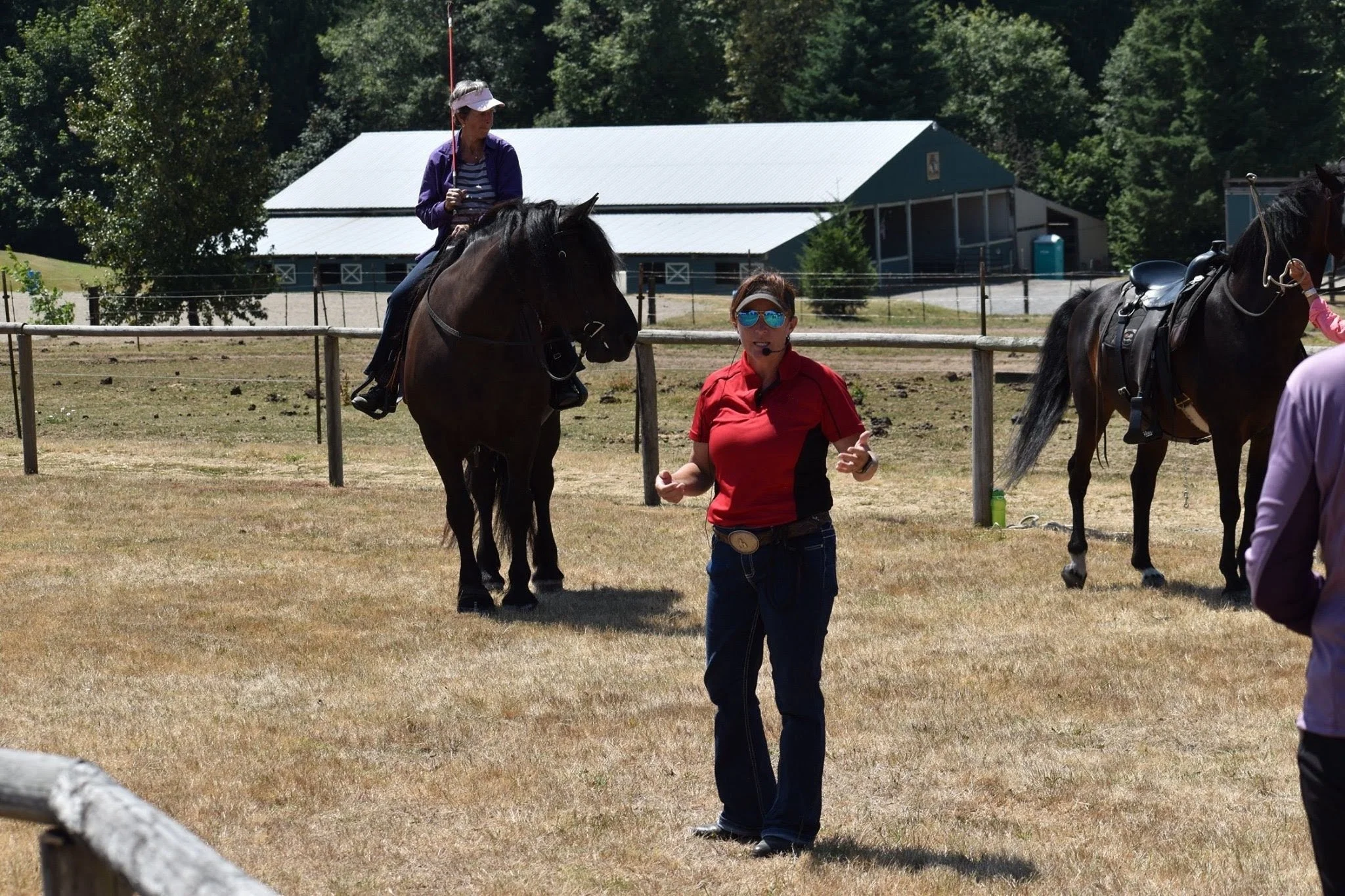
8 Steps for Success
Developing Confidence, Connection, and Emotional Fitness with Your Horse
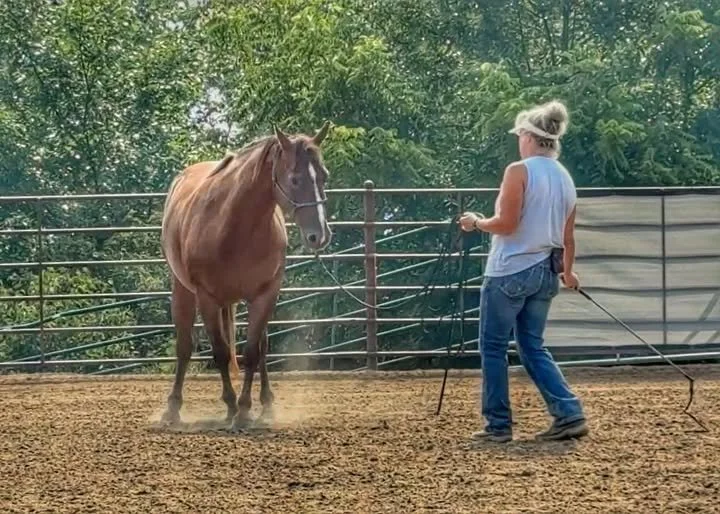
Revealing Who We Are
Horses have a way of revealing who we are long before they respond to what we ask. Every interaction exposes our mindset, our habits, and our emotional fitness. With time, I’ve come to believe that emotional maturity is not just helpful in horsemanship. It is essential. Without it, the work becomes reactive. With it, the work becomes art.
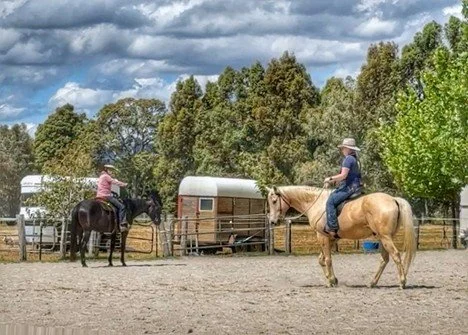
The Purpose of Pressure: Teaching Meaning, Creating Harmony
Horsemanship circles often treat the word pressure as if it carries a moral weight. To some, pressure sounds like force. To others, it implies dominance. But pressure, when used with understanding and intention, is neither of those things.
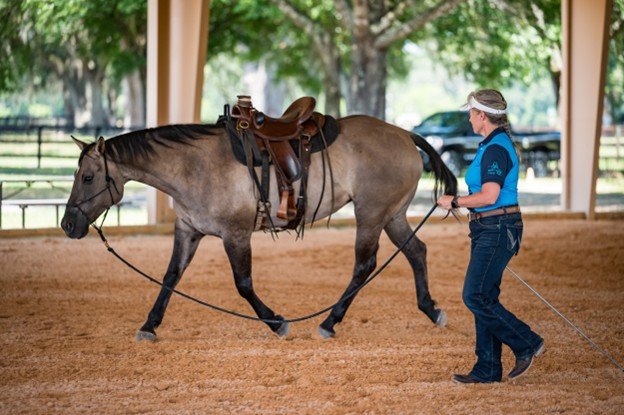
Proactive Training vs. Testing Our Horsemanship
Why Every Arena Session Needs a Plan—And the Flexibility to Change It
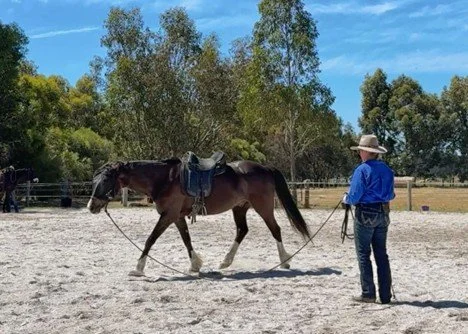
The Importance of Proprioception in Horsemanship
A mindful approach to better balance, clearer communication, and happier horses.
Morality and Horsemanship
Morality is a complicated creature. Many people try to enforce their sense of right and wrong through rules, shaming, or pressure, but in the horse world, morality cannot be mandated.